

Key Takeaways
- Call 911 immediately. There is no waiting period to report a missing child, and the first 24 hours are crucial.
- Get help fast. Contact law enforcement right away, then reach out to trusted resources like the Polly Klaas Foundation and NCMEC.
- Stay organized. Gather a recent photo, key identifying details, and a clear timeline of when and where your child was last seen.
- Share carefully. Focus on accurate information, official tip lines, and coordinated outreach rather than panic-driven posts or rumors.
Every parent’s worst fear can happen in an instant — a child who was just there is suddenly gone. Whether your child failed to come home from school, disappeared from a playground, or vanished in a crowded store, the first 24 hours are critical. Acting quickly and strategically can make all the difference.
Here’s exactly what to do.
Call 911 Immediately — Don’t Wait
One of the most dangerous myths in the United States is that you must wait 24 hours before reporting a missing child. This is completely false. Law enforcement can and must take a missing child report right away, regardless of the child’s age or how recently they were last seen.
When you call 911, be ready to provide:
- The child’s full name, age, height, weight, and physical description (including unique identifiers such as braces, glasses, scars, or piercings)
- What they were wearing when last seen
- Any known medical conditions or medications
- Names of friends, classmates, or adults they may have contacted
- Recent photos, ideally taken within the last 30 days
Do not hang up until the dispatcher tells you to. Write down the name of every officer you speak with and the report number you’re assigned.
Search Fast, but Stay Focused
Before or while help is arriving, do a quick, targeted search of places where a child could be hiding or trapped. The National Center for Missing & Exploited Children (NCMEC) recommends checking closets, piles of laundry, under beds, inside large appliances, and vehicles, including trunks. If your child disappeared in a store or public place, notify security immediately as well.
This is also the time to gather the basics law enforcement will need:
- A recent photo of your child
- A description of what your child was wearing
- Information about any medical needs, mental health concerns, or other urgent risk factors
Keep a notebook by the phone so you can record every call, tip, name, and update. In a crisis, that kind of written record can make a real difference.
Contact the Polly Klaas Foundation, NCMEC, and Your State Clearinghouse
The Polly Klaas Foundation has spent more than three decades helping families navigate exactly this nightmare. We provide free, hands-on support to families of missing children — from coordinating volunteer searches to providing guidance on working with media and law enforcement. We also maintain a searchable missing children database and can help amplify your child’s case across social media and community networks.
In a crisis, having an experienced advocate in your corner is invaluable. Report your child missing online here, or call our 24/7 hotline at 800-587-4357.
For additional support and coverage, you can also contact:
- NCMEC at 800-843-5678
- Your State Clearinghouse
Start Building a Timeline
One of the most useful things you can do on the first day is write down a clear timeline. List when your child was last seen, who saw them, what happened beforehand, and anything unusual from the last 24 to 48 hours. That includes messages, social media activity, arguments, schedule changes, transportation plans, or unfamiliar contacts.
We also recommend searching your child’s room, phone, computer, school locker, and other personal spaces for phone numbers, addresses, online contacts, and clues about where they may have gone. Contact friends, schools, hospitals, and other places tied to your child’s recent routine.
This kind of information can help investigators act quickly and rule out bad leads.
Share Information Carefully
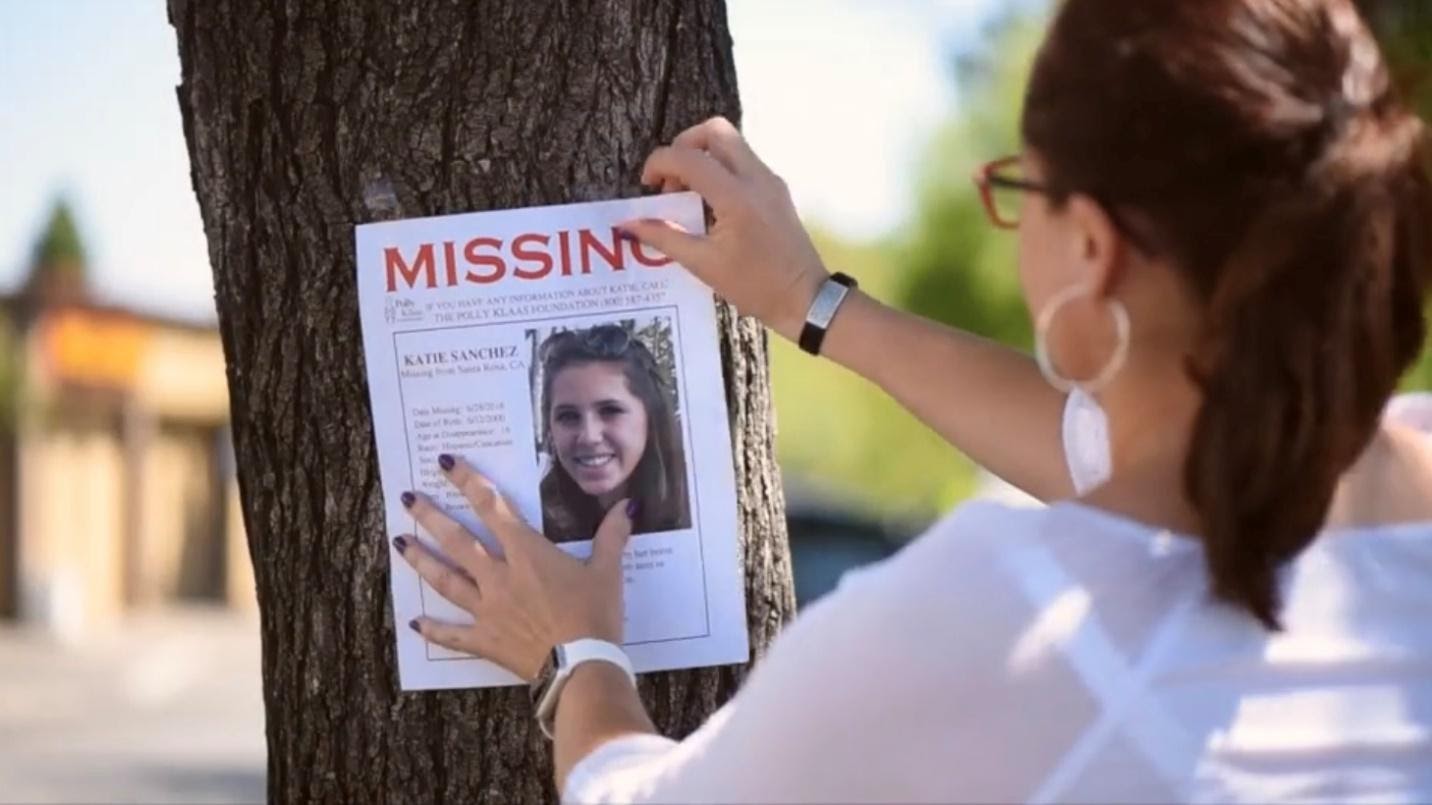
Families often want to post everywhere online immediately. That instinct is understandable, but it helps to coordinate with law enforcement and trusted organizations first. The Polly Klaas Foundation provides flyer support and volunteer-based rapid response efforts.
A good rule is to share accurate, up-to-date information, including a recent photo and official contact details for tips. Avoid spreading rumors or posting unverified claims. Clear information is more useful than a flood of panic.
Do Not Assume the Situation Will Resolve on Its Own
Even if you think your child may have run away, experts say you should still report the disappearance immediately. Runaway cases still belong in the missing persons system without delay.
A child who is missing, regardless of the circumstances, may still face serious risks.
Where to Turn for Help
In the first 24 hours after a child goes missing, your priorities are straightforward: call the police, gather details, contact child safety organizations for support, and document everything. These steps can help law enforcement and support a quick and effective community response.The Polly Klaas Foundation is a national nonprofit dedicated to the safety of all children, the recovery of missing children, and public policies that keep children safe in their communities. Based in Petaluma, California, we provide a variety of programs and services to support child safety from all angles. We’ve helped over 10,000 families find their missing children — but there is always more to be done. Donate today to help reunite families and keep children safe across the nation.







0 Comments