

Every year, hundreds of thousands of children and teens are reported missing in the United States, and many of those cases involve youth who run away or are pushed out of their homes. Understanding why kids run away is one of the most important steps families and caregivers can take to prevent it. Runaway prevention is not about fear or surveillance. It is about safety, trust, communication, and preparation.
When adults recognize the warning signs and address the root causes early, they can reduce risk and help young people stay connected, supported, and safe.
Why Do Kids Run Away?
There is rarely a single reason a child leaves home. Most often, it is the result of ongoing stress, conflict, or unmet needs. Some of the most common runaway risk factors include:
- Family conflict: Frequent arguments, harsh discipline, or unresolved tension at home can make a child feel unsafe or unheard.
- Abuse or neglect: Physical, emotional, or sexual abuse remains one of the strongest predictors of runaway behavior.
- Mental health challenges: Anxiety, depression, trauma, and low self-esteem can increase feelings of isolation or hopelessness.
- Bullying and peer pressure: Persistent bullying or online harassment can push children to seek escape elsewhere when they feel they have no safe place to turn.
- Identity struggles: Periods of identity development can leave young people feeling confused, isolated, or misunderstood, especially if they believe they cannot safely express who they are at home or in their community.
- Substance use: Alcohol or drug use, either by the child or within the household, can fuel conflict and impulsive decisions.
Understanding these drivers helps shift the conversation from blame to prevention.
Warning Signs a Child May Be Thinking About Running Away
Parents and caregivers are often surprised when a child runs away, but many young people show signs beforehand. Paying attention to changes in behavior can make a difference.
Common runaway warning signs include:
- Withdrawing from family, friends, or favorite activities
- Talking about feeling trapped, unwanted, or misunderstood
- Becoming increasingly secretive about online activity or new friends
- Giving away possessions or packing bags
- Exhibiting sudden changes in mood, sleep, or school performance
These signals are invitations for conversation, not confrontation.
How Communication Prevents Runaway Behavior
Open, respectful communication is one of the strongest protective factors against runaway incidents. Kids are more likely to ask for help when they believe adults will listen without judgment.
Effective strategies include:
- Creating space for regular check-ins: Short, consistent conversations build trust over time and make it easier for children to share concerns before they escalate into larger problems.
- Listening more than you speak: Let children explain how they feel without interrupting. Before offering advice or solutions, ask whether a child wants help problem solving or simply needs a supportive, listening ear. This helps children feel respected and understood, which makes them more likely to keep communicating.
- Validating emotions: You can acknowledge feelings without agreeing with harmful behavior, which helps them feel seen while still reinforcing healthy boundaries.
- Avoiding threats or ultimatums: These often increase fear and secrecy, pushing children to withdraw rather than ask for help.
- Offering safe alternatives and clear support options: Helping children identify trusted adults, safe places, and ways to ask for help gives them practical options when emotions run high, reducing the urge to leave home impulsively.
When children feel seen and heard, they are less likely to look for escape elsewhere.
Planning Ahead and Acting Quickly
Preparation is key to child safety. The Polly Klaas Foundation’s free Child Safety Kit helps families organize critical information in advance so they can act quickly and reduce stress during emergencies. Download yours today!
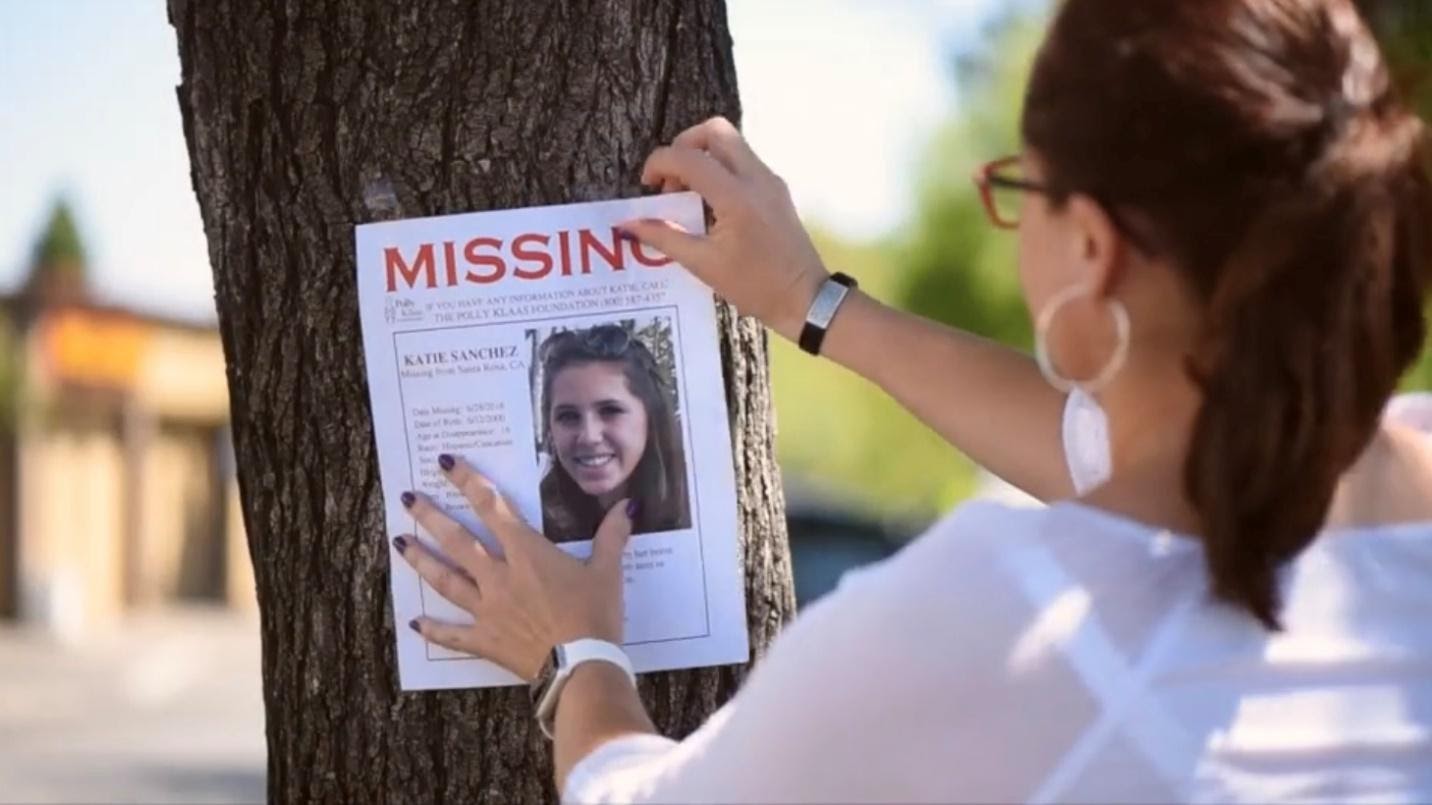
If a child runs away, report it immediately, as there is no required waiting period to file a report.
The Polly Klaas Foundation has helped more than 10,000 families find missing children. Click here for help if your child is missing.
Supporting Long-Term Safety and Stability
Runaway prevention is an ongoing effort rooted in connection, communication, and support. By strengthening relationships, addressing mental health needs, and focusing on trust rather than control, families can create environments where children feel safe asking for help, even during difficult moments.
The Polly Klaas Foundation is a national nonprofit dedicated to the safety of all children, the recovery of missing children, and public policies that keep children safe in their communities. Based in Petaluma, California, we provide a variety of programs and services to support child safety from all angles. We’ve helped over 10,000 families find their missing children — but there is always more to be done. Donate today to help reunite families and keep children safe across the nation.








0 Comments