
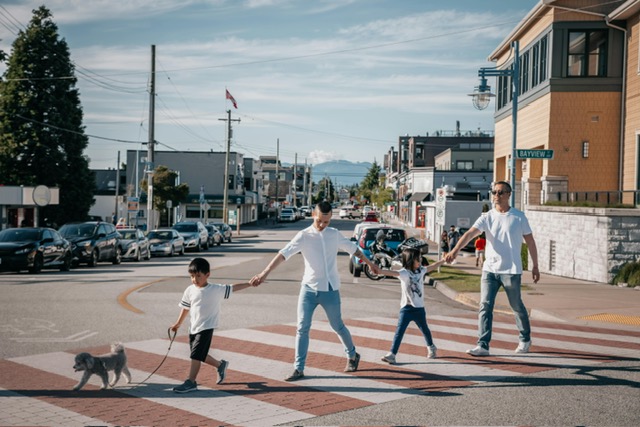
Parents and caregivers know that it’s always important to be careful and stay on your guard. The following strategies — informed by the Polly Klaas Foundation’s three decades of child safety work — will help you balance kids’ independence with smart safeguards.
Conversation: Your Most Powerful Safety Tool
Open dialogue lowers risk far more than scary lectures. Aim for regular, two-way chats that cover:
- Daily routines: Ask where they like to sit on the bus and who they chat with at recess. Casual questions uncover changes early.
- Gut feelings: Encourage kids to trust “uh-oh” signals even if an adult seems kind or insists on secrecy.
- Digital friendships: Review friend lists together. Remind them you will never be mad if they come to you about uncomfortable messages.
Ongoing conversations build trust, which makes children more likely to speak up quickly when something feels off.
Start With Clear, Calm Coaching at Home
Kids remember lessons practiced in familiar spaces. Before the next outing:
- Explain “safe adults”: Describe whom they may approach if separated (uniformed staff, a parent with children, a store service desk).
- Role-play common scenarios: Practice how to call your first and last name loudly, use a landmark as a meeting spot, and refuse anything that feels wrong.
- Rehearse your family code word: A one-of-a-kind password helps children confirm that a messenger is truly authorized to pick them up.
Download the free Child Safety Kit from the Polly Klaas Foundation for age-appropriate scripts, fingerprint cards, and space for a current photo.
Keep Your Eyes Up and Gear Handy in Crowds
Every venue is different, yet experienced safety advocates point to the same best practices:
- Dress for quick visuals: Snap a photo of each child on your phone before you leave the house. Bright shirts or matching hats help you scan a sea of people fast.
- Tag little travelers: ID bracelets with your phone number (no names) give bystanders the info they need to reach you.
- Choose a rally point: Pick a landmark, such as a main gate or information booth, and walk children there so the location sticks. A pre-planned meeting spot shortens response time in case of an emergency.
- Split duties: When supervising more than one child, assign each adult a specific kid for clarity and more control.
Use Tech Responsibly
GPS-enabled wearables, family location sharing apps, and geofenced alarms can reduce anxiety and provide valuable data. Remember:
- Set boundaries, not surveillance: Let kids know you use tracking to keep them safe, not to spy.
- Utilize budget-friendly gear: Silicone wristbands that pair with an app cost far less than a cell phone and withstand playground wear and tear.
- Limit social media clues: Wait to geotag photos until you’re home so strangers can’t predict your movements.
Technology supplements — not replaces — watchful parenting. For tips to keep your children safe in the digital world, click here.
Act Fast When Something Is Wrong
If your child is missing even for a moment, trust your instincts:
- Call 911 immediately: There is no waiting period to report a missing child.
- Notify store or venue security: Ask them to monitor exits and public-address systems.
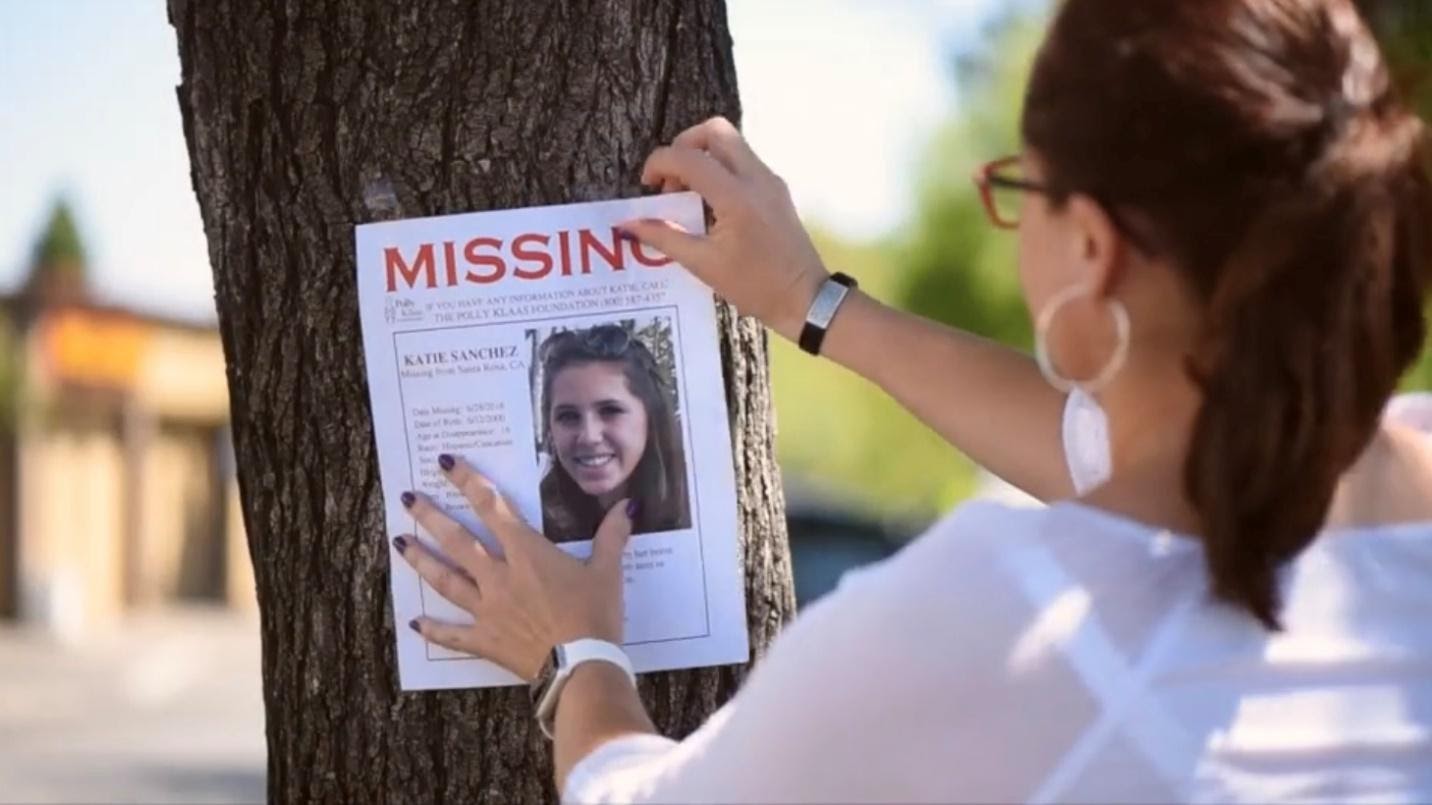
- Contact the Polly Klaas Foundation 24/7 crisis line at 1-800-587-4357: Our Rapid Response Team can help create and distribute a flyer nationwide within hours, a proven tactic that has aided in more than 10,000 recoveries since 1993.
Community Matters: Share, Volunteer, and Advocate
Children thrive in watchful communities. Here are three quick ways to strengthen yours:
- Share safety content: Post a link to this article or other safety resources in your parent group or neighborhood app.
- Volunteer for Rapid Response: Printing and posting missing child flyers in the first 48 hours can be critical. Sign up here.
- Support smart policy: Follow local legislation on school safety funding, crosswalk improvements, and youth services. Voice your support at town meetings.
Put a Safety Plan Into Action Today
Staying safe in public involves preparation, clear expectations, and community backup. Walk through scenarios at home, equip kids with practical skills, and keep communication flowing. Then enjoy the zoo, farmers market, or stadium with confidence.
The Polly Klaas Foundation is a national nonprofit dedicated to the safety of all children, the recovery of missing children, and public policies that keep children safe in their communities. Based in Petaluma, California, we provide a variety of programs and services to support child safety from all angles. We’ve helped over 10,000 families find their missing children — but there is always more to be done. Donate today to help reunite families and keep children safe across the nation.






0 Comments