
Travel opens up a world of adventure for families, but it also presents unique safety challenges that require careful planning and awareness. Whether you’re navigating a crowded airport terminal, checking into an unfamiliar hotel, or riding public transportation in a new city, keeping children safe demands vigilance and preparation.
Thankfully, a few practical habits can lower risk dramatically. In this article, we’ll cover key strategies for ensuring child safety during travel. We’ll explore child safety measures in three high-traffic settings: airports, hotels, and public transit.
General Travel Safety Tips for Families With Children
Travel combines crowds, fatigue, unfamiliar environments, and schedule pressure. That mix makes it easier for children to become separated from caregivers and harder for adults to notice risks quickly.
It is also important to keep risk in perspective. The National Center for Missing & Exploited Children notes that nonfamily abductions are rare among missing-child cases. Still, rare is not the same as impossible, and prevention skills matter.
A practical travel safety approach focuses on three goals:
- Prevent separation
- Prepare children to respond if separation happens
- Reduce avoidable injury risks in new environments
Teach children their full name, your phone number, and how to identify trustworthy adults in public spaces. These skills prove especially critical in transportation hubs where confusion runs high.
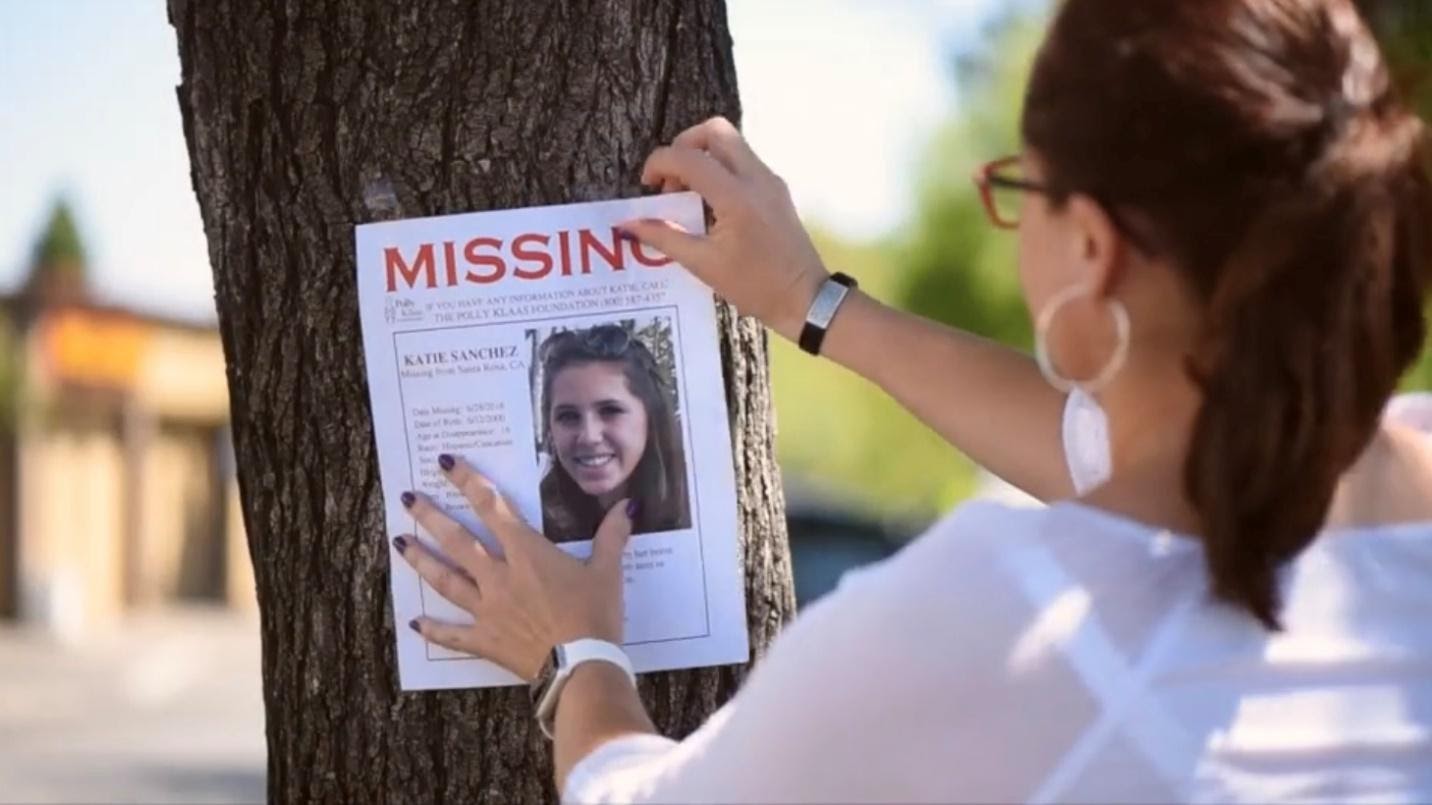
Remember, proactive planning is the best defense. Before you even leave home, update your child’s identification materials. The Polly Klaas Foundation’s free Child Safety Kit provides families with comprehensive resources to maintain current photos, fingerprints, and vital information about their children. This kit becomes invaluable if the unthinkable happens during travel.
Airport Safety Tips for Families Traveling With Kids
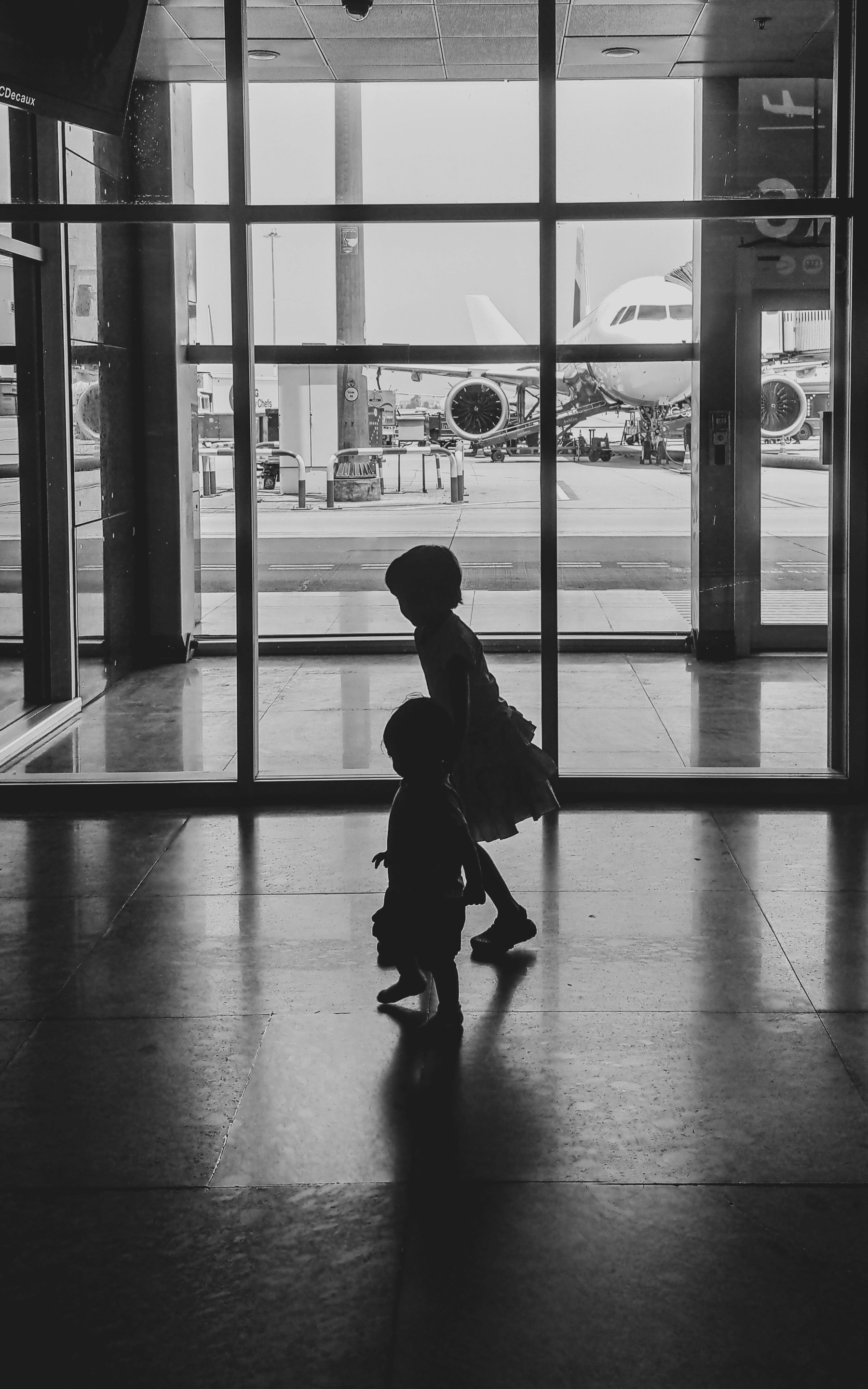
Airports are designed for efficiency, not necessarily for families with small children. Between TSA checkpoints and the rush to the gate, it can be easy for a child to wander off.
At the airport, establish clear meeting points with older children in case of separation. Choose specific, memorable locations such as a particular gate or the information desk rather than vague areas. For younger children, consider temporary tattoos with your contact number or use identification bracelets.
Practice these airport safety measures:
- Dress children in bright, easily identifiable clothing
- Take a photo of your child each morning of travel in their current outfit
- Maintain physical contact in crowded areas through hand-holding or child carriers
- Review stranger danger concepts, emphasizing that children should approach uniformed airport staff if lost
Hotel Safety for Children: Securing Your Home Away From Home
Hotels introduce risks that don’t exist in your childproofed home. Upon checking in, conduct a thorough safety assessment of your room. Check window locks, balcony access, and electrical outlets.
Never leave children unattended in hotel rooms, even briefly. Unsupervised children in hotels face elevated risks from fire, drowning in bathtubs, and accidental poisoning from cleaning supplies or minibar items. Additionally, it only takes a few seconds for a child to open a door and wander into a hallway or elevator.
Teach children never to open the hotel room door without adult permission. Use all available locks, including deadbolts and chain locks. Some families use portable door alarms for added security.
Public Transit and Rideshare Safety With Children
Public transit is often the most practical and affordable way to move through cities while traveling. It can also be crowded and fast-moving, especially during rush periods. Keep these public transit safety essentials in mind when embarking on your next trip.
Platform and Boarding Rules That Reduce Risk
- Stand back from platform edges.
- Board together as one unit, not one person at a time.
- If doors close unexpectedly, teach children to wait with transit staff, not run after a moving train or bus.
- Choose meeting landmarks in advance at major stations.
Onboard Safety Habits
- Keep children seated when possible.
- Avoid aisle-end seating for small children on crowded vehicles.
- Keep bags zipped and close to reduce distraction.
- Use verbal check-ins before every stop.
Rental Car and Rideshare Safety
If your trip involves taxis, rideshares, or rental vehicles, proper child restraints still matter. Car seat safety should never be compromised just because you are in a vehicle that’s not yours. Always bring a travel-certified booster or car seat. Furthermore, when using a rideshare app, always verify the driver’s identity and the vehicle’s license plate against the app before allowing your child to enter the car.
The Most Effective Travel Safety Tool Is Practice
Children remember what they rehearse. Before a trip, practice short “what if” scenarios:
- What if we get separated at the airport?
- What if someone asks you to come with them?
- What if you can’t find me at the station?
Role-play works best when it is calm, brief, and repeated.
This is exactly where the Polly Klaas Foundation’s free Child Safety Kit is useful. Our kit includes age-appropriate prevention guidance and practical tools families can use to prepare children for real-world situations at home and while traveling. If you’re building a family travel safety plan this season, download it and review it together before your next trip. Then, keep it easily accessible during travel so you have immediate access to your child’s information if an emergency occurs.
Travel is one of the most enriching experiences a child can have. By taking these small, deliberate steps, you ensure that the journey remains safe, secure, and focused on the joy of exploration.
About the Polly Klaas Foundation
The Polly Klaas Foundation is a national nonprofit dedicated to the safety of all children, the recovery of missing children, and public policies that keep children safe in their communities. Based in Petaluma, California, we provide a variety of programs and services to support child safety from all angles. We’ve helped over 10,000 families find their missing children — but there is always more to be done. Donate today to help reunite families and keep children safe across the nation.






0 Comments