

Safety awareness is crucial to instill in your children, but teaching kids about safety can be a fine line to walk. You want your child to understand the risks without making them fearful of the world around them. How do you strike that balance?
In this article, we’ll explore how parents and caregivers can help children build confidence, trust their instincts, and make safe choices when interacting with others.
Why Teaching Stranger Safety Matters
Children are naturally curious and trusting, qualities that make them vulnerable to exploitation. While most strangers are not dangerous, it’s important for kids to understand how to recognize potentially unsafe situations and respond appropriately. By focusing on empowerment rather than fear, you give your child the tools to stay safe while still encouraging healthy social development.
Focus on “Tricky People,” Not Just Strangers
One of the biggest challenges with the traditional “stranger danger” message is that it can be confusing. Children often think strangers look scary or bad, when in reality, unsafe individuals may appear friendly or familiar.
Instead of telling kids to avoid all strangers, many child safety experts recommend teaching them to be cautious of “tricky people.” These are individuals — whether known or unknown — who ask kids to break safety rules, keep secrets from parents, or do something that feels wrong. This approach shifts the focus from labeling people as good or bad to recognizing behaviors that signal potential danger.
Keep the Message Age-Appropriate
Children absorb information differently at various stages of development. Tailoring your message to your child’s age helps them understand safety concepts without overwhelming them.
- Preschoolers: Teach simple rules like “Don’t go anywhere without telling a parent” or “Only adults you trust can help you.”
- Elementary school kids: Discuss scenarios such as being approached at the park or asked for help by someone they don’t know. Practice responses like saying no firmly and seeking out a safe adult.
- Preteens and teens: Cover more nuanced issues, including online safety, peer pressure, and recognizing unsafe situations at school, in the community, or online.
By layering information gradually, you give kids confidence without instilling unnecessary fear.
Make Safety Lessons Part of Everyday Life
Children learn best through repetition and practice. You don’t need to set aside a formal lesson time; instead, weave safety conversations into daily life. For example:
- Role-play what to do if someone offers them a ride.
- Practice saying no loudly and clearly.
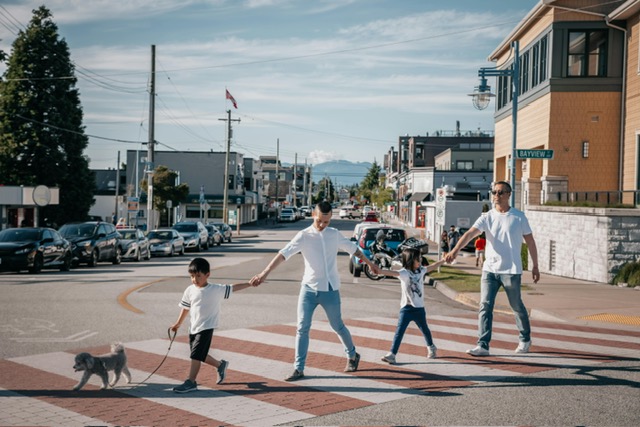
- Walk through safe routes home or to school together.
- Reinforce that it’s always OK to ask questions if something feels off.
These everyday interactions make safety awareness natural and manageable.
Encourage Open Communication
One of the most powerful ways to protect your child is by fostering open communication. Make sure your child knows they can talk to you about anything, even if it seems small or embarrassing. Reinforce that they won’t get in trouble for telling the truth about a situation that made them uncomfortable. This openness helps you catch red flags early and strengthens your child’s trust in you as their safe person.
Use Tools That Reinforce Safety
When it comes to teaching your child, you’re not alone. There are plenty of trustworthy and accessible resources out there to help you — such as our free Child Safety Kits from the Polly Klaas Foundation! These kits can help you start and sustain safety conversations, providing families with practical tools, including safety tips, checklists, and fingerprint records.
Champion Child Safety With the Polly Klaas Foundation
Teaching kids about stranger danger doesn’t mean teaching them to fear the world. By focusing on age-appropriate lessons, teaching them to spot “tricky people,” and using resources that support open communication, you give your child the skills they need to feel safe and strong.
The Polly Klaas Foundation is dedicated to protecting children and supporting families with free resources, including our free Child Safety Kits. By equipping guardians, educators, lawmakers, and more with knowledge and tools, we help communities raise confident kids who know how to stay safe.
The Polly Klaas Foundation is a national nonprofit dedicated to the safety of all children, the recovery of missing children, and public policies that keep children safe in their communities. Based in Petaluma, California, we provide a variety of programs and services to support child safety from all angles. We’ve helped over 10,000 families find their missing children — but there is always more to be done. Donate today to help reunite families and keep children safe across the nation.







0 Comments